
Kalonji (nigella seeds): how to use them, and what they are called in Poland
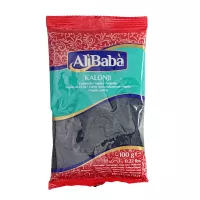
Kalonji are the small, matt black seeds of Nigella sativa, called nigella seeds in English and czarnuszka in Polish. They taste slightly bitter and peppery, with a hint of onion and oregano. Indian cooks sprinkle them on naan and add them to vegetables, dal and pickles.
What kalonji look and taste like
The seeds are tiny and angular, shaped like irregular triangles. Raw, they smell faintly. Their taste and smell open up only when they are heated in fat or briefly toasted in a dry pan. Then you notice onion, thyme and a light bitterness.
Kalonji have several confusing names. In English they are sometimes sold as black cumin, black onion seeds or onion seeds, although they are neither cumin nor onion seeds. On a label look for kalonji, nigella, Nigella sativa or the Polish czarnuszka. Poles know czarnuszka well as a topping on bread and rolls, so you will also find it in ordinary Polish supermarkets, in the spice aisle.
How to use kalonji in Indian cooking
- Naan and flatbreads: before baking, sprinkle the dough with kalonji and press the seeds in lightly with your palm. This is the classic kalonji naan. The seeds also suit kulcha and paratha.
- Tadka: drop half a teaspoon of seeds into hot oil or ghee. After a few seconds, when they sizzle, add the onion or pour the spiced fat over dal.
- Panch phoron: a Bengali mix of five whole spices: nigella, fenugreek, cumin, black mustard and fennel seeds, usually in equal parts. It is fried in oil at the start of cooking vegetables, fish or dal.
- Vegetables: kalonji suit potatoes (aloo), cauliflower, pumpkin and aubergine.
- Pickles (achar): kalonji are a common part of Indian mango, lime and chilli pickles.
- Middle Eastern cooking: the seeds are sprinkled on cheese, bread and flatbreads.
Use kalonji sparingly. Half to one teaspoon is enough for a pot of dal or vegetables for 4 people. Too much gives a clear bitterness.
How to store kalonji
Keep the seeds in an airtight jar, away from light and moisture. Whole seeds keep their aroma much longer than ground. If you need ground kalonji, grind it in a mortar just before use. The smell fades with time, so a smaller pack used within a few months is a better buy.
Substitutes for kalonji
There is no exact substitute. As a topping for bread, black sesame gives a similar look with a milder taste. In a tadka, cumin seeds with a pinch of dried oregano give part of the flavour. Panch phoron needs kalonji, because without it the mix loses its character.
Black seed in hair care: Vatika and Dabur
Black seed also appears in hair products. Little India sells the Vatika conditioner with black seed and the Vatika black seed hair mask. Vatika is a range from the Dabur brand. In these products black seed oil or extract is one of the ingredients; the label gives the full ingredients and how to use them. Do not mix them up with the seeds for cooking: they are different products in different parts of the shop.
Where to buy kalonji
For the kitchen, Little India sells kalonji seeds AliBaba and kalonji seeds TRS. Other seeds for tadka are in the whole spices category. Little India has shops in Warsaw, Kraków, Wrocław and Gdańsk and ships orders from the online shop.
FAQ
What are kalonji seeds called in English and in Polish?
In English they are nigella seeds, sometimes black seed. In Polish they are czarnuszka. All these names mean the seeds of Nigella sativa.
Is kalonji black cumin or onion seed?
No. The names black cumin and onion seeds are misleading, but they often appear on packs. Nigella is a different plant from cumin and from onion.
Does Little India sell Vatika black seed products?
Yes: the Vatika conditioner, hair mask and hair oil with black seed. The current list is on the Dabur brand page.
Do kalonji need toasting?
No, but a short heating in fat or in a dry pan makes the aroma much stronger. On bread, the seeds toast in the oven by themselves.
Kalonji and fennel are two of the five spices in panch phoron: read Fennel seeds (saunf). Kalonji naan is in our guide Roti, chapati and naan.