
Jasmine rice vs basmati rice: the differences and which one to buy
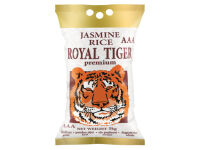
Jasmine rice is a Thai long-grain rice that cooks soft and slightly sticky, with a sweet, floral smell. Basmati is a rice from India and Pakistan with longer, thinner grains that stay dry and separate after cooking. Buy jasmine rice for Thai, Chinese and other East Asian dishes; buy basmati for biryani, pulao and Indian curries. In Polish they are "ryż jaśminowy" and "ryż basmati".
The differences at a glance
| Jasmine rice | Basmati rice | |
|---|---|---|
| Polish name | ryż jaśminowy | ryż basmati |
| Where it grows | Mainly Thailand, also Cambodia and Vietnam | India and Pakistan |
| Raw grain | Long, a little plump, translucent | Very long and thin |
| After cooking | Soft, moist, grains cling together a little | Dry, fluffy, grains stay separate and grow longer |
| Smell | Sweet, floral | Nutty, like popcorn |
| Soaking | Not needed | 20 to 30 minutes helps |
| Best for | Thai curries, stir-fries, fried rice, rice bowls | Biryani, pulao, jeera rice, dal and curry |
Neither rice smells of jasmine flowers. The name refers to the white colour and the fragrance of the cooked rice.
"Ryż z tygrysem": the jasmine rice with the tiger
Many people in Poland search for "ryż jaśminowy z tygrysem" or "ryż z tygrysem". They mean the Thai jasmine rice of the Royal Tiger brand, with a tiger on the bag. It comes in several sizes, for example the Royal Tiger premium jasmine rice, 5 kg, and the brand also makes red and black rice. All of them are on the Royal Tiger brand page.
Which basmati to buy
Basmati comes in two main forms:
- White (raw) basmati: the classic rice for pulao and for plain rice with dal. Example: India Gate Classic basmati.
- Sella (parboiled) basmati: the rice is steamed in the husk before milling. It is golden when raw, turns white when cooked and keeps its shape well, which is why many cooks use it for biryani in big pots. Example: India Gate sella basmati.
Our guide to basmati rice compares the brands in more detail.
How to cook jasmine rice
- Rinse 1 cup of rice in cold water two or three times, until the water is almost clear.
- Put it in a pot with 1¼ to 1½ cups of water and a pinch of salt.
- Bring to the boil, cover, and cook on the lowest heat for 12 to 15 minutes.
- Take the pot off the heat and leave it covered for 10 minutes. Fluff with a fork.
Jasmine rice needs less water than most Polish recipes for rice suggest. Too much water makes it mushy.
How to cook basmati rice
- Rinse 1 cup of basmati gently until the water is clear. Basmati grains break easily, so do not rub them hard.
- Soak for 20 to 30 minutes, then drain.
- Cook with 1½ to 1¾ cups of water, covered, on low heat for 10 to 12 minutes.
- Rest for 5 minutes with the lid on, then fluff.
Another way that many Indian cooks use for biryani: boil the soaked rice in plenty of salted water until it is almost done, then drain it like pasta. Sella basmati needs more water and more time than white basmati, so follow the pack.
Can you use one instead of the other?
Yes, at home it works, but the dish changes. Jasmine rice in a biryani gives a softer, stickier result and the layers do not stay separate. Basmati in a Thai curry is fine, but you lose the soft texture that holds the sauce. For fried rice, both work best when cooked a day earlier and kept in the fridge.
Where to buy jasmine and basmati rice in Poland
Little India has a separate jasmine rice category and a basmati rice category, in bags from 1 kg to large sacks. Little India has shops in Warsaw, Kraków, Wrocław and Gdańsk and ships orders online across Poland; see our guide to the Indian shop in Poland. This guide also has a Polish version.
FAQ
What is the difference between jasmine rice and basmati rice?
Jasmine rice is Thai, soft and slightly sticky with a floral smell. Basmati is Indian or Pakistani, with longer grains that stay dry and separate.
What is "ryż z tygrysem"?
It is the name people in Poland use for Royal Tiger jasmine rice, because the bag shows a tiger.
Do I need to soak jasmine rice?
No. Rinse it and cook it. Basmati is the one that benefits from 20 to 30 minutes of soaking.
Which rice is better for biryani?
Basmati, and many cooks prefer sella (parboiled) basmati because the grains stay whole in a large pot.