
Drumstick vegetable: what it is, its Polish name and how to cook it
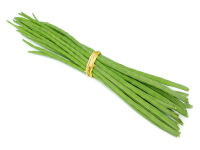
The drumstick vegetable is the long, thin, ridged green pod of the moringa tree (Moringa oleifera). In Hindi it is called sahjan, in Tamil murungakkai, and in Polish shops it is sold as drumstick or laska moringi. It is cooked in pieces in sambar, curries and dals, and you eat it by scraping the soft inside off the tough skin.
What the drumstick looks like and tastes like
A drumstick pod is 30 to 50 cm long, about as thick as a finger, with lengthwise ridges and a few bumps where the seeds sit. The skin is green and hard. Inside there is a soft, juicy pulp and pale seeds.
The taste is mild and vegetal, somewhere between green beans and asparagus, with a slight bitterness near the skin. The pod absorbs the flavour of the sauce it cooks in, which is why it works so well in sambar.
The name has nothing to do with chicken. The pods look like the sticks used to play a drum.
Names in other languages
- English: drumstick, moringa pod
- Hindi: sahjan, saijan ki phali
- Tamil: murungakkai
- Malayalam: muringakka
- Polish: laska moringi, drumstick (shops usually keep the English name)
The leaves of the same tree are sold separately as moringa leaves, and the dried leaf powder as moringa powder. This guide is about the fresh pods.
How to choose and store drumsticks
Choose pods that are firm, evenly green and slender. Avoid pods that are dry, yellow, wrinkled or bend like rubber. Very thick pods with large, bulging seeds are older and more fibrous.
Store drumsticks in the fridge, wrapped in paper or in an open bag, and cook them within a few days. You can also cut them into pieces and freeze them; frozen pieces go straight into the pot without thawing.
How to prepare drumsticks
- Wash the pods and cut off the dry ends.
- Cut each pod into pieces 6 to 8 cm long.
- If the skin is very hard, scrape off the outer ridges lightly with a knife. Do not peel the pod completely.
- Cook the pieces in a curry, sambar or dal for 10 to 15 minutes, until the flesh is soft and the pod splits a little along its ridges.
How to eat drumstick: pick a piece up with your fingers, put it in your mouth and scrape out the soft pulp and seeds with your teeth. Leave the fibrous outer skin on the side of the plate. You do not eat the skin.
Simple drumstick sambar
Ingredients (for 4):
- ¾ cup toor dal (split pigeon peas)
- 2 drumsticks, cut into 6–8 cm pieces
- 1 onion, sliced
- 1 tomato, chopped
- 1 tablespoon tamarind paste
- 2 tablespoons sambar powder
- ½ teaspoon turmeric
- salt to taste
- for the tempering: 1 tablespoon oil, 1 teaspoon mustard seeds, 2 dried red chillies, a sprig of curry leaves, a pinch of asafoetida (hing)
Method:
- Cook the toor dal with turmeric in plenty of water until soft, then mash it.
- In another pot, boil the drumstick pieces, onion and tomato in about 2 cups of water for 10 minutes.
- Add the tamarind paste, sambar powder and salt. Simmer for 5 minutes.
- Stir in the mashed dal. Add water until the sambar is pourable, and simmer for 5 more minutes.
- Heat the oil in a small pan. Add the mustard seeds; when they pop, add the chillies, curry leaves and hing. Pour this over the sambar.
- Serve with rice, idli or dosa.
Drumsticks also go into avial, a Kerala mixed vegetable dish with coconut, and into simple drumstick curries with coconut milk or yoghurt.
Where to buy drumsticks in Poland
Little India sells fresh drumstick 1 kg and moringa pods 500 g. For the sambar, you also need toor dal and sambar powder. Little India has shops in Warsaw, Kraków, Wrocław and Gdańsk and ships orders across Poland. Our guide to the Indian shop in Poland lists the shops and what they sell.
FAQ
What is drumstick in Polish?
In Polish shops the pod is sold as drumstick or laska moringi. The tree is moringa olejodajna.
Do you eat the skin of the drumstick?
No. You scrape out the soft pulp and seeds with your teeth and leave the fibrous skin.
Can I freeze drumsticks?
Yes. Cut them into pieces and freeze them in a bag. Add them to the pot without thawing.
What can I use instead of drumstick in sambar?
There is no close substitute. Many cooks make sambar with okra, aubergine, pumpkin or radish instead.
For the dal behind sambar, see our guide to types of dal. For more Polish names of Indian vegetables, see Indian ingredients and their Polish names.