
Bhatmas in English: brown soybeans, and how to roast them the Nepali way
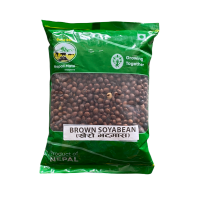
Bhatmas (भटमास, sometimes written vatmas) is the Nepali word for soybeans. The beans most Nepali households roast are khairo bhatmas, brown soybeans, sold in Poland as soja brązowa. Dry-roasted until crunchy, they are eaten as a snack with beaten rice (chiura) or mixed with onion, chilli and lemon into bhatmas sadheko.
Bhatmas in English, Nepali and Polish
- Nepali: bhatmas (भटमास); khairo bhatmas = brown soybeans; kalo bhatmas = black soybeans; seto bhatmas = pale yellow soybeans
- English: soybeans, soya beans; brown soybeans
- Polish: soja (ziarno), soja brązowa, soja czarna
Brown soybeans are smaller and darker than the pale yellow soybeans used for tofu and soy milk. Their roasted taste is nutty, a bit like roasted peanuts.
Important: never eat raw soybeans
Raw soybeans are not edible. They must be fully roasted, or soaked and boiled, before you eat them. A half-roasted bean that is still pale and soft inside is not ready. Roast until each bean is crisp right through.
How to roast bhatmas
You need: 1 cup dry brown soybeans and a heavy pan (a karahi, a cast-iron pan or a thick frying pan). No oil.
- Pick through the beans and remove any small stones or broken beans. Wipe them with a dry cloth if they are dusty. Do not soak them for this method.
- Heat the dry pan on medium-low heat.
- Add the beans in one layer and stir them all the time.
- After about 10 minutes the beans begin to crackle and the skins split. Keep stirring.
- Roast for 15 to 20 minutes in total, until the beans are evenly golden-brown and crunchy. Bite one to check: it should break cleanly and taste nutty, not green or raw.
- Tip the beans onto a plate and let them cool completely. They get crisper as they cool.
Do not roast on high heat. The outside burns before the inside cooks. Store cooled roasted bhatmas in an airtight jar and eat them within a few days.
Bhatmas sadheko (spiced soybean salad)
Sadheko means "marinated" or "mixed with spices". This is a common snack with tea or with drinks.
Ingredients:
- 1 cup roasted bhatmas (see above)
- 1 small red onion, finely chopped
- 1 small tomato, finely chopped (optional)
- 1–2 green chillies, finely chopped
- 1 small clove garlic and a small piece of ginger, grated
- a handful of fresh coriander, chopped
- juice of half a lemon
- 1 teaspoon mustard oil
- ¼ teaspoon timur (Nepali Sichuan pepper), ground, or a pinch of chilli powder
- salt to taste
Method:
- Put the roasted bhatmas in a bowl.
- Add the onion, tomato, chillies, garlic, ginger and coriander.
- Add the lemon juice, mustard oil, timur and salt. Mix well.
- Eat at once, while the beans are still crunchy.
How bhatmas is eaten
- With chiura: a plate of beaten rice (chiura), roasted bhatmas and a pickle is a classic Nepali snack set, often called khaja.
- In pickles: bhatmas is also mixed with gundruk (fermented dried leafy greens) into a sour pickle.
- In curries: soaked and boiled soybeans can go into a simple soybean curry with potatoes.
Where to buy bhatmas in Poland
Little India sells brown soybeans (khairo bhatmas) by Nepali Mato. For the full snack, add white beaten rice (chiura) and a ready Nepali kinema pickle (fermented soybeans). There is also a whole Nepali products category. Little India has shops in Warsaw, Kraków, Wrocław and Gdańsk and ships orders across Poland.
FAQ
What is bhatmas in English?
Bhatmas means soybeans. Khairo bhatmas are brown soybeans, and kalo bhatmas are black soybeans.
What is bhatmas in Polish?
Soja. Brown soybeans are sold as soja brązowa.
Do I need to soak bhatmas before roasting?
No. For the crunchy Nepali snack, roast the dry beans in a pan without soaking. Soak them only if you want to boil them for a curry.
How do I know the bhatmas are fully roasted?
They are evenly golden-brown, the skins are split, and a bean breaks cleanly between your teeth with a nutty taste. If it is soft or tastes green, keep roasting.
For more Nepali and Indian ingredients with their Polish names, see Indian ingredients and their Polish names and our guide to Indian shops in Poland.